十二生肖中的属相兔,英语翻译是什么?生肖兔用英语怎么说?
The Rabbit, known as "Tù" (兔) in Chinese, holds a unique and cherished place in the Chinese zodiac, ranking fourth in the 12-year cycle. People born in the Year of the Rabbit are often associated with traits such as gentleness, intelligence, and sensitivity, making them one of the most beloved zodiac signs. Rooted in ancient Chinese culture, the Rabbit symbolizes peace, prosperity, and good fortune, with its influence extending to art, literature, and daily traditions. This article explores the cultural significance, personality traits, compatibility, and cross-cultural perceptions of the Rabbit zodiac, offering a comprehensive understanding of its enduring appeal.
Cultural Significance of the Rabbit Zodiac
In Chinese mythology, the Rabbit’s inclusion in the zodiac is tied to a legendary race organized by the Jade Emperor. According to the story, the Rabbit, lacking the strength of the Dragon or the speed of the Horse, relied on its wit and kindness to secure a fourth-place finish. By cleverly hopping across a river on floating logs and helping an elderly tortoise, it earned the Emperor’s admiration and a permanent spot in the zodiac. This narrative underscores the cultural value placed on intelligence, compassion, and resourcefulness—qualities deeply associated with Rabbit individuals.
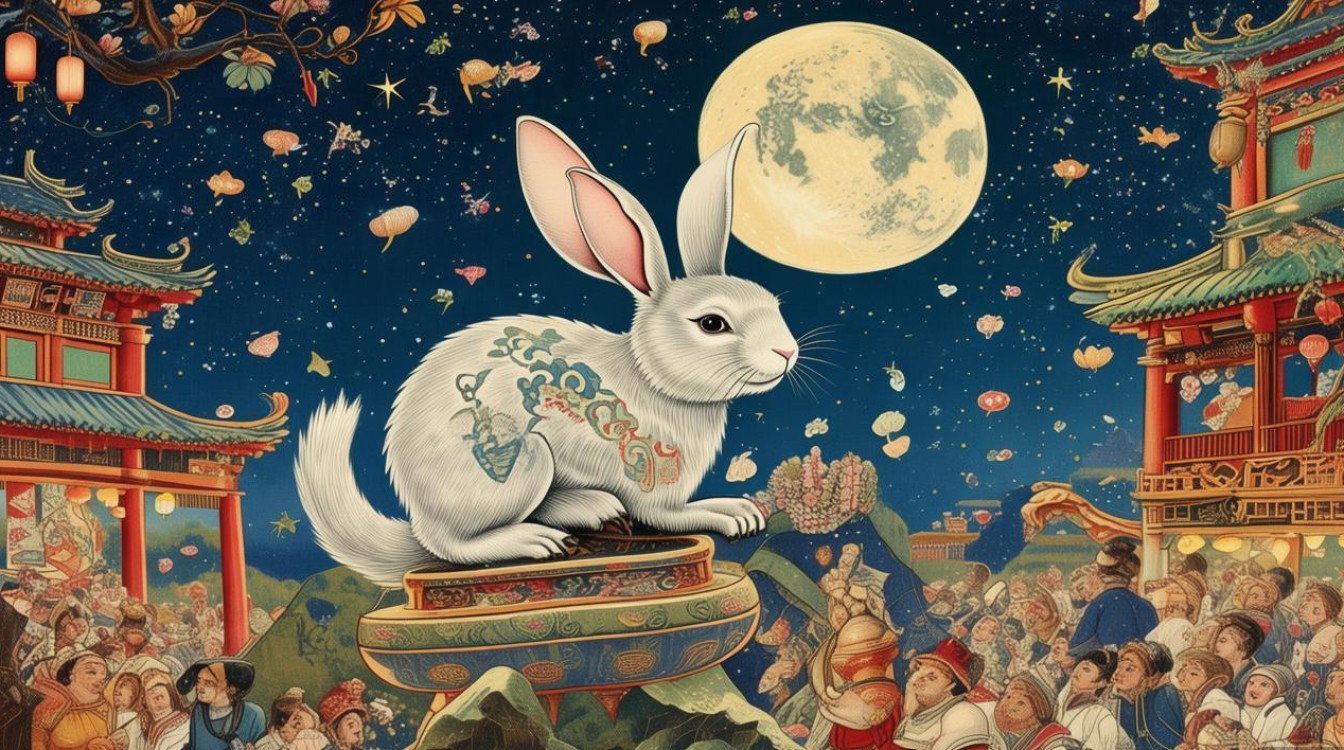
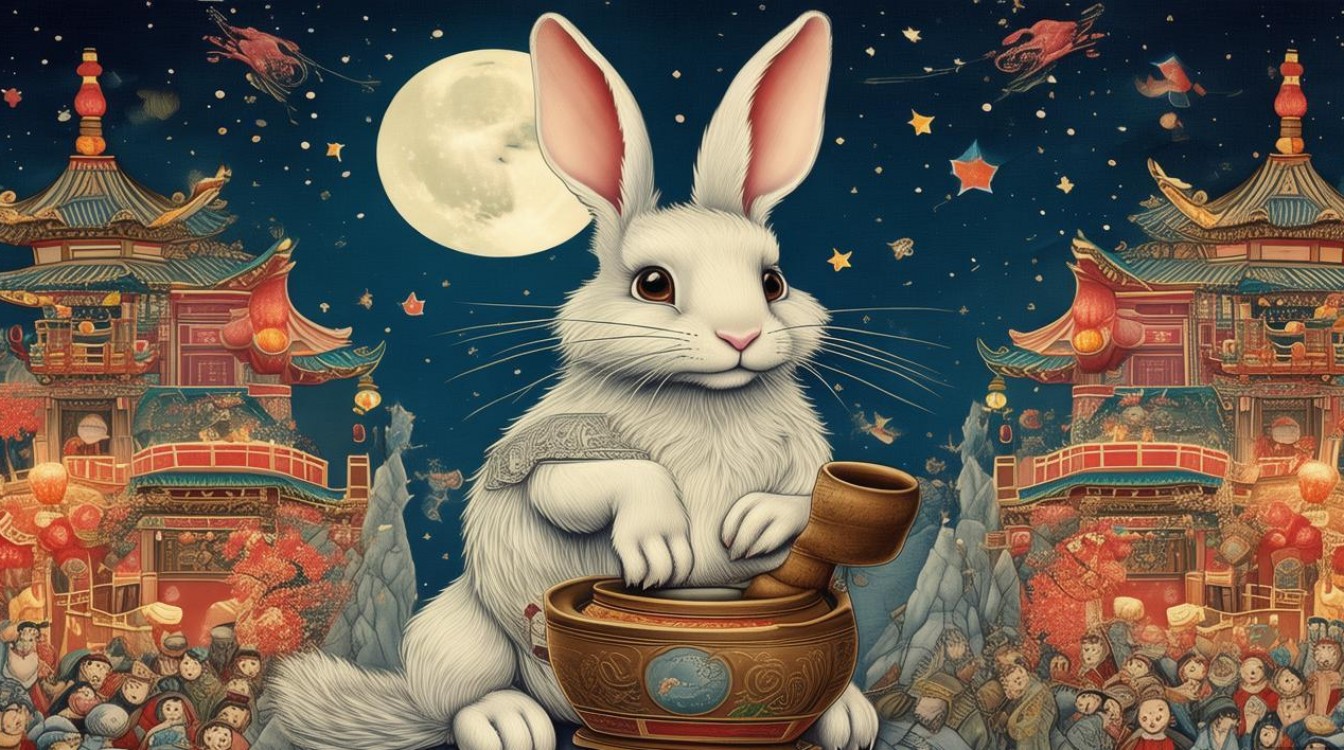
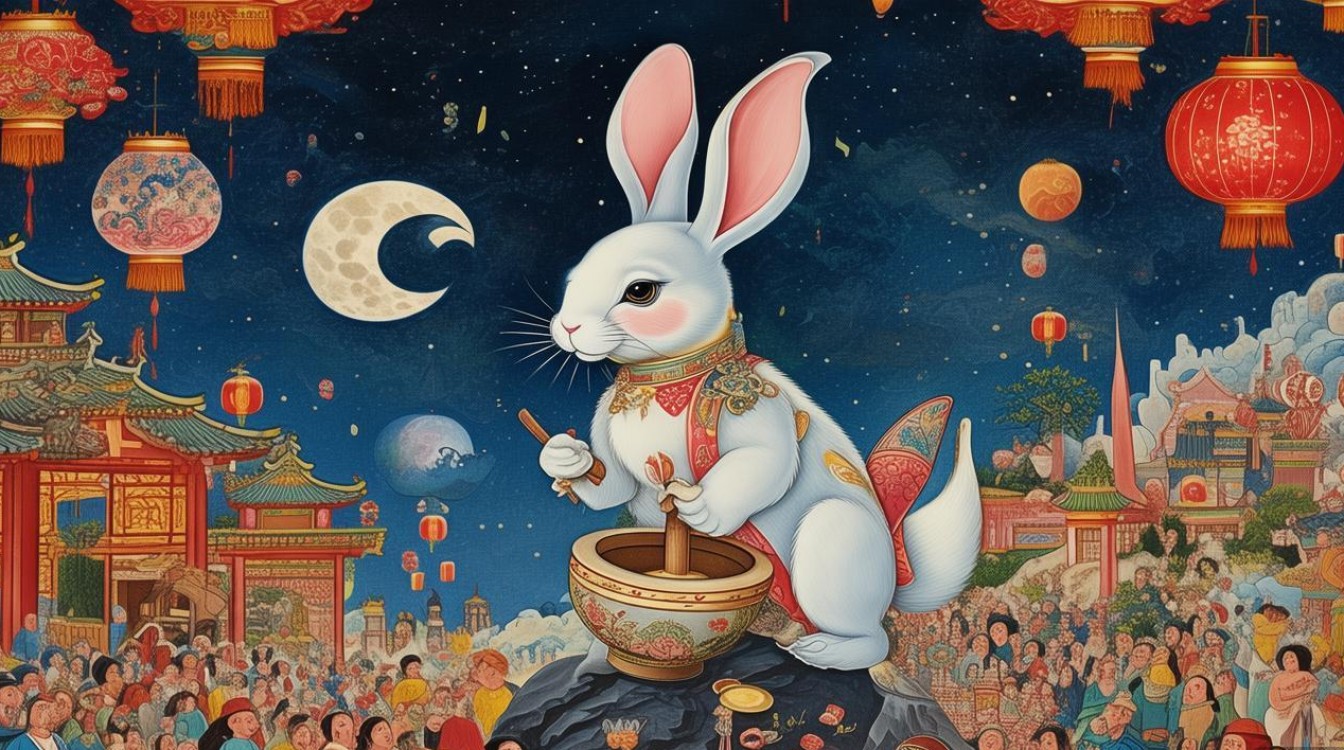
Beyond mythology, the Rabbit is a symbol of peace and renewal. In traditional Chinese art, it is often depicted alongside the moon, as folklore tells of a Rabbit living on the moon, pounding medicine with a mortar and pestle (a motif linked to the Mid-Autumn Festival). This connection to the moon reinforces its association with tranquility and introspection. Additionally, the Rabbit’s gentle nature has made it a popular motif in festivals, where its image adorns decorations, clothing, and gifts, particularly during Lunar New Year celebrations, to usher in good luck and harmony.
Personality Traits and Characteristics
Rabbit individuals (born in years like 1939, 1951, 1963, 1975, 1987, 1999, 2011, 2023) are renowned for their calm demeanor and empathetic spirit. They are natural peacemakers, often avoiding conflict and prioritizing harmony in relationships. Their emotional intelligence allows them to intuitively understand others’ feelings, making them trusted friends and advisors.
Positive Traits
- Gentle and Compassionate: Rabbits are kind-hearted, often going out of their way to help those in need.
- Prudent and Cautious: They think before acting, carefully assessing risks to make informed decisions.
- Elegant and Refined: With a love for beauty and aesthetics, Rabbits often have a refined taste in art, fashion, and home decor.
- Diplomatic: Their ability to mediate disputes makes them valuable in both personal and professional settings.
Potential Challenges
- Overly Cautious: Their aversion to risk may sometimes lead to missed opportunities.
- Evasive: Conflict-averse by nature, Rabbits may avoid difficult conversations, allowing issues to fester.
- Sensitive: They can be deeply affected by criticism or negativity, requiring a supportive environment to thrive.
Table: Key Personality Traits of the Rabbit Zodiac
| Category | Traits |
|---------------------|----------------------------------------------------------------------------|
| Strengths | Empathy, prudence, elegance, diplomacy |
| Weaknesses | Over-cautiousness, evasiveness, sensitivity |
| Core Motivation | Seeking peace, security, and harmonious relationships |
Compatibility with Other Zodiac Signs
In Chinese astrology, compatibility between zodiac signs is believed to influence relationships, both romantic and platonic. Rabbits generally thrive with signs that share their gentle and nurturing nature, while clashes may arise with more assertive or impulsive signs.
High Compatibility
- Pig (猪): Both value harmony and emotional connection, creating a balanced and loving partnership.
- Goat (羊): Shared appreciation for art and beauty fosters a deep, creative bond.
- Dog (狗): The Dog’s loyalty complements the Rabbit’s kindness, resulting in a stable relationship.
Moderate to Low Compatibility
- Rooster (鸡): The Rooster’s directness may clash with the Rabbit’s aversion to conflict.
- Rat (鼠): The Rat’s ambition can overshadow the Rabbit’s need for calm, leading to tension.
- Dragon (龙): The Dragon’s assertiveness may overwhelm the Rabbit’s sensitive nature.
Understanding these dynamics can help Rabbit individuals navigate relationships more effectively, leveraging compatibility to build stronger connections.
Rabbit in English-Speaking Cultures: A Comparative View
While the Rabbit holds positive connotations in Chinese culture, its symbolism varies in English-speaking contexts. In Western traditions, rabbits are often associated with fertility and rebirth, largely due to the Easter Bunny, a symbol of new life and renewal during the spring festival. This contrasts with the Chinese Rabbit’s emphasis on peace and wisdom, though both interpretations highlight the animal’s gentle and nurturing qualities.
Interestingly, the phrase "mad as a March hare" reflects a different perception—linking hares (closely related to rabbits) to erratic behavior during mating season. However, this idiom is less commonly associated with rabbits today, and modern Western culture often portrays rabbits as adorable pets (e.g., in children’s literature like Watership Down or Peter Rabbit), emphasizing their charm and innocence rather than their zodiac traits.
This cross-cultural comparison reveals how the same animal can embody diverse meanings, shaped by historical, mythological, and social contexts.
Festivals and Traditions Associated with the Rabbit
The Rabbit zodiac influences various cultural practices, especially during Lunar New Year. In Rabbit years, decorations often feature rabbit motifs—paper cuttings, lanterns, and window displays—to attract good fortune. Traditional foods, such as moon-shaped dumplings, are also prepared, symbolizing completeness and prosperity.
For Rabbit individuals, Lunar New Year is a time to reflect on their innate qualities and set intentions aligned with their values. Many choose to focus on creative pursuits, strengthen relationships, or create peaceful environments at home, leveraging their natural diplomacy to foster harmony in their communities.
FAQs
Q1: What is the lucky color for people born in the Year of the Rabbit?
A1: The lucky colors for Rabbit individuals are pink, red, and purple. Pink symbolizes love and compassion, red represents good fortune and joy, and purple signifies nobility and wisdom. These colors are often worn or incorporated into decorations during important occasions to enhance positive energy.
Q2: How does the Rabbit zodiac sign influence career choices?
A2: Rabbit’s traits make them well-suited for careers that require empathy, attention to detail, and diplomacy. Professions in art, design, counseling, education, and human resources are often ideal, as they allow Rabbits to leverage their creativity, kindness, and ability to work harmoniously with others. Their prudence also makes them effective in roles involving planning or research.
相关文章
- 最新文章
- 热门标签
- 梦境解析(3501)
- 星座(2461)
- 文艺风(2203)
- 潜意识(2023)
- 运气(1484)
- 占星术(890)
- 幽默风(864)
- 心理暗示(723)
- 心理分析(704)
- 风水(683)
- 属相(677)
- 十二星座(627)
- 心理学(594)
- 星座运势(552)
- 出生日期(520)
- 运势(507)
- 迷信(506)
- 生肖(489)
- 生肖运势(450)
- 农历(440)
- 神秘风(439)
- 属相配对(389)
- 严肃风(362)
- 星座配对(348)
- 风水学(330)
- 星座性格(323)
- 星座查询(323)
- 梦境(315)
- 生肖配对(306)
- 俏皮风(301)
- 传统文化(298)
- 性格特点(290)
- 正式风(277)
- 天蝎座(267)
- 象征意义(267)
- 生日(263)
- 十二生肖(263)
- 潜意识信息(258)
- 直白风(244)
- 科学依据(243)
- 风水布局(242)
- 命运(235)
- 名字(231)
- 天秤座(224)
- 预测(219)
- 运势分析(216)
- 占星学(216)
- 星座奥秘(210)
- 属相婚配(208)
- 影响(193)